From 1 September 2026 — electronic transport documents become mandatory. IQoko is ready for GosLog and OSSIG. Learn more

CASES AND PILOTS

IQoko cases: honest about the early stage

IQoko is at an early stage and is recruiting pilot customers, so we don't pass off others' metrics as our own. Instead of ready-made cases we show the pilot methodology: exactly what we measure on a real trip flow and how we compute payback on your figures. We publish confirmed cases with results once the pilots conclude.

IQoko · proven trip

CV

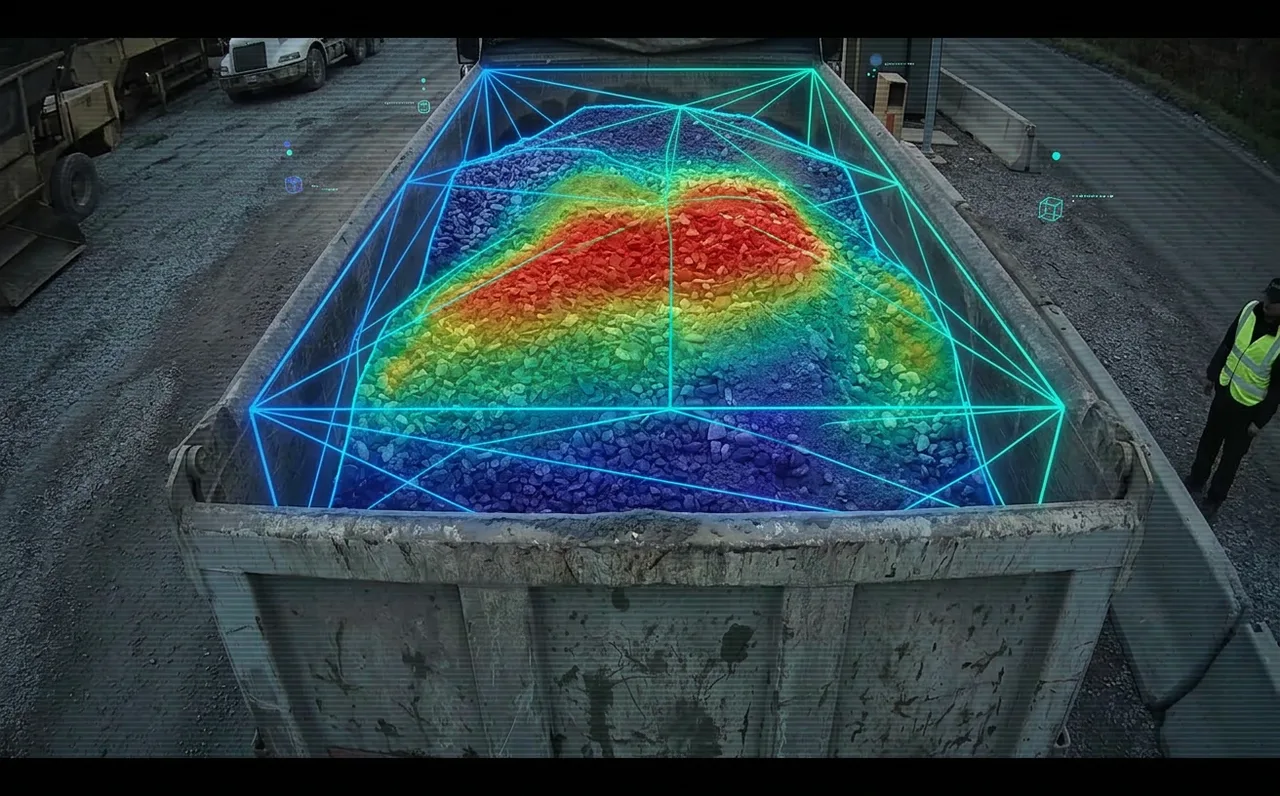
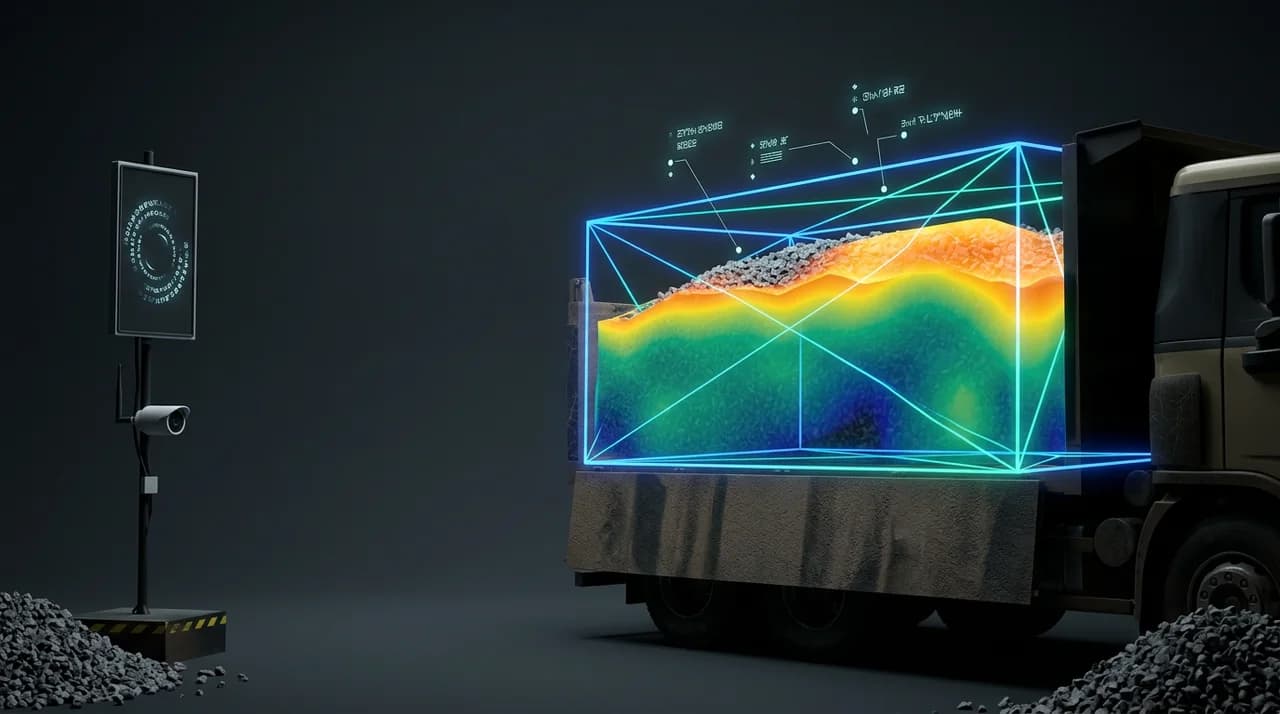
CV-based cargo-volume estimation in a dump-truck bed — a proven IQoko trip

PILOT PROGRAM

What an IQoko pilot measures

An IQoko pilot installs a control & measurement point at one site and, over 60–90 days, collects TripCode on real trips to replace industry estimates with fact. We measure three values — volume discrepancy, the share of problem trips and losses in rubles.

IQoko pilot program

Now recruiting

Volume discrepancy, %

An IQoko pilot records the difference between CV-based cargo-volume estimation and the company’s accounting for every trip over 60–90 days. For the owner, this is a direct answer to "how much actually left versus what was recorded." So volume discrepancy becomes a measurable value rather than a guess. TODO: confirmed average discrepancy percentage from the pilots.

Share of problem trips

The pilot shows the share of trips with short-loading, padding and suspected ghost trips on the client’s real flow. For the security team, this is a risk map for the specific site, not an industry average. So problem trips are identified one by one through the TripCode trail. TODO: confirmed share of problem trips.

Losses detected, ₽

The pilot translates discrepancies into money: the sum of short-loading, padding and unaccounted trips over the measurement period. For the finance director, this is the actual basis for the payback calculation, not a "market-average" estimate. So losses turn from an abstract 5–15% of turnover into a concrete figure for the site. TODO: confirmed loss amount from the pilot.

PAYBACK CALCULATION

How IQoko computes ROI from the pilot

IQoko computes payback on the actual discrepancies found during the pilot, not on promises. Three steps: we measure losses on your flow, compute the cost of ownership and derive the payback period.

01

We measure losses on your flow

IQoko reconciles TripCode with the company’s accounting over the pilot period and computes the detected losses in rubles — short-loading, padding, unaccounted trips. This is the actual effect at the specific site.

02

We compute the cost of ownership

IQoko breaks down the cost of control: CapEx for the CMP (stationary — from 1 800 000 ₽) and the IQoko Platform subscription. The configuration is tailored to the segment and the number of control points.

03

We derive the payback period

IQoko divides the cost of ownership by the monthly effect and shows the payback period and annual savings on your figures. A preliminary estimate is available right now in the ROI calculator. TODO: typical payback period from the pilots.

CASES BY SEGMENT

How a pilot looks in each segment

For each target segment, IQoko tailors the CMP configuration to the task. Below are the pilot frameworks by segment; results with figures are filled in as projects conclude.

Quarries and aggregates

Pilot

Task

Short-loading, material theft and weighbridge collusion at 1000+ trips a month

Configuration

IQoko Gate Pro on entry/exit + IQoko Platform

Result

TODO: confirmed pilot result at a quarry — volume discrepancy, share of problem trips and losses detected in rubles.

Dump-truck logistics

Pilot

Task

Ghost trips, inability to prove the trip to the customer, and preparation for mandatory EPD

Configuration

IQoko Onboard (on-board) + IQoko Platform

Result

TODO: confirmed pilot result in a fleet — share of trips with a complete TripCode, ghost trips detected and the effect in rubles.

General contractors and construction

Pilot

Task

On-paper acceptance without measurement and overpaying for "air" on incoming trips

Configuration

IQoko Gate or Mobile on entry + IQoko Platform

Result

TODO: confirmed pilot result at a construction site — discrepancy in accepted volume and the amount saved over the period.

Construction-waste haulage (OSSIG)

Pilot

Task

Controlling actual haulage and preparing a control & measurement point for the OSSIG requirements

Configuration

IQoko Gate Pro (OSSIG-ready CMP) + IQoko Platform

Result

TODO: confirmed pilot result for waste haulage — share of verified trips and the CMP’s readiness for the OSSIG requirements.

BEFORE AND AFTER

What TripCode changes in trip control

TripCode turns a "driver's-word" trip into a proven digital fact. On the left — how control looks without IQoko; on the right — with a verifiable trip trail.

Trip volume from the driver’s word and a paper consignment note — nothing to verify it against.

CV-based cargo-volume estimation for every trip in TripCode — a proven fact.

A "black zone" between loading and unloading: ghost trips and vehicle swapping.

The whole trip under control: ANPR and geofences link the points into one trail.

Hours of nameless video archive that no one reviews.

Video and photos tied to the trip and the license plate — the frame is found in seconds.

Losses estimated "at the market average" — 5–15% of turnover.

Losses computed in rubles on your flow from the pilot.

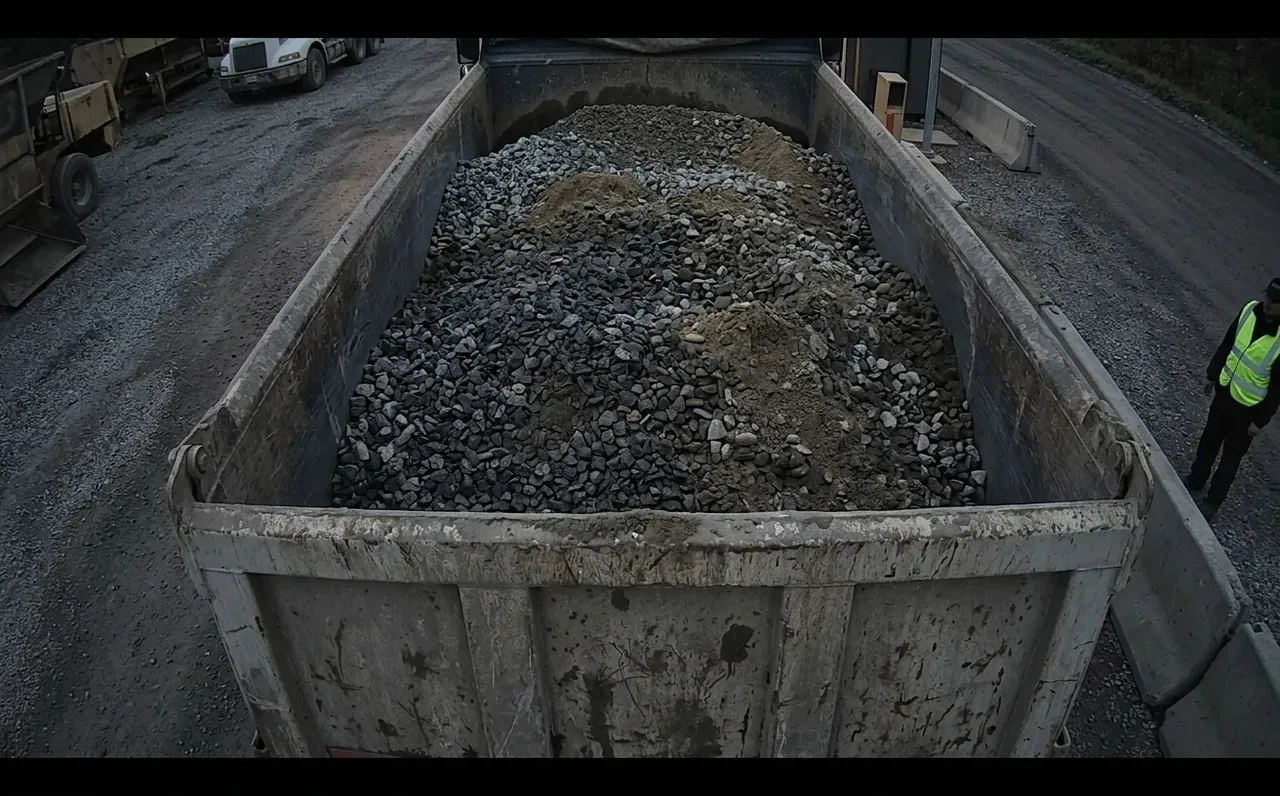
Dump-truck bed: original frame on the left, frame with IQoko CV-based cargo-volume estimation on the right
Through the weighman's eyes
Разделитель сравнения «Through the weighman's eyes» и «Through IQoko's eyes»

See it clearly: one ordinary camera, while IQoko overlays a CV-based cargo-volume estimate on the frame. Drag the divider.

Become an IQoko pilot customer

We'll launch a pilot in 2 weeks: install a CMP at one site and, over 60–90 days, show the discrepancies and payback on your trips. Your case could be the first one published.